Mobile Gaming Evolution and Future Trends
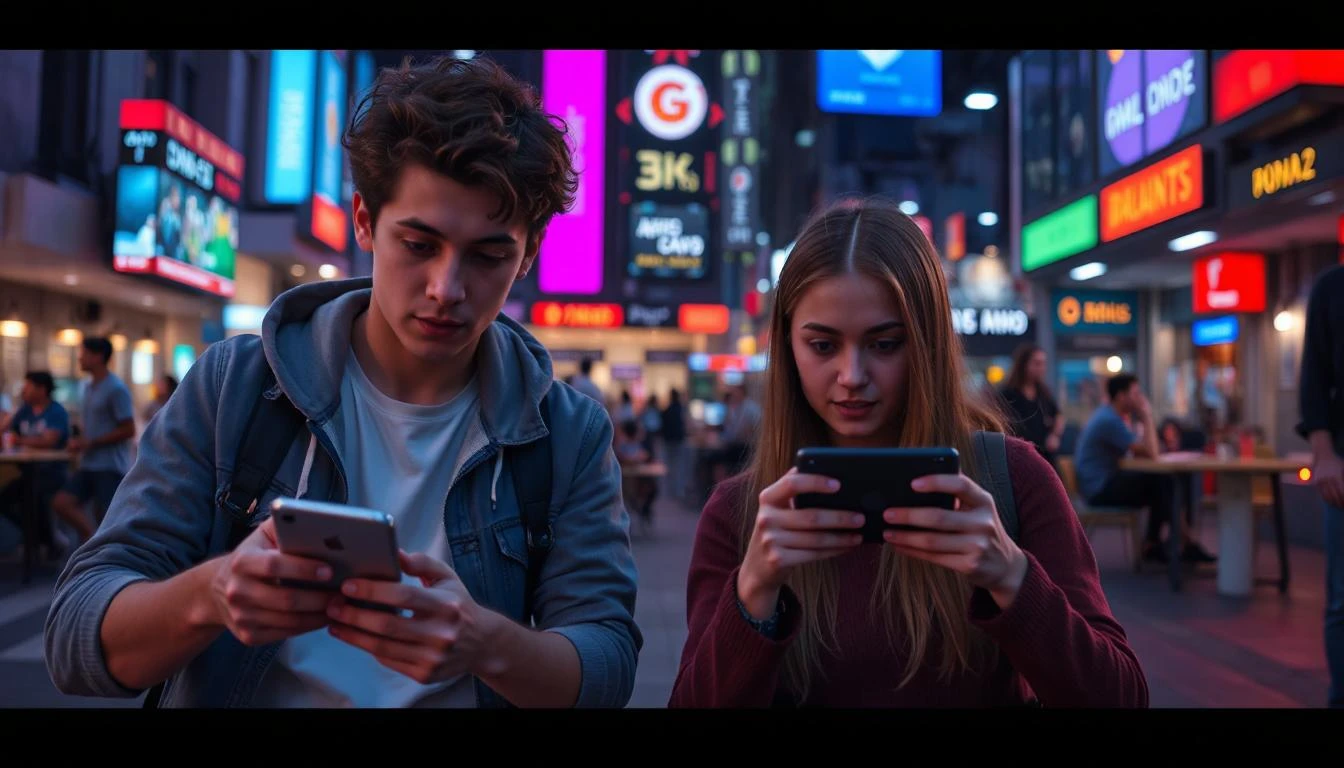
The mobile gaming world is no longer just a side branch of the entertainment industry—it has become its beating heart. From quick casual sessions during a commute to competitive esports arenas watched by millions, the transformation has been both rapid and deeply disruptive. Every swipe, tap, and in-game decision now reflects a global shift in how people interact with digital experiences.
This rapid transformation is strongly driven by mobile gaming trends, shaping how developers design games and how players engage with them across different platforms. The rise of global connectivity, faster devices, and immersive technologies has made mobile gaming more than just entertainment—it has become a digital lifestyle that continues to evolve every second.
The Evolution of Mobile Gaming Industry
Mobile gaming has traveled a long road, shifting from simple pixel-based entertainment to highly advanced ecosystems that rival traditional consoles. Understanding this evolution helps reveal how deeply the industry is embedded in modern digital culture.
The journey of mobile gaming evolution reflects how technology and user expectations have grown hand in hand. What once started as basic mobile distractions has now become a billion-dollar ecosystem shaped by creativity, innovation, and global demand.
From Java games to smartphone ecosystems
In the early phase of mobile gaming, Java-based games dominated small mobile screens with limited interaction and visual simplicity. These early titles may look primitive today, but they laid the foundation for interactive mobile entertainment. As smartphones emerged, everything changed—touch interfaces, better processors, and app ecosystems transformed gaming into something far more immersive and engaging.
Rise of app stores and digital distribution
The introduction of digital marketplaces such as app stores revolutionized how games reached audiences. Developers no longer needed physical distribution; instead, they could instantly publish games to a global audience. This shift accelerated innovation, giving rise to indie developers, microtransactions, and live-service gaming models that dominate today’s market.
Impact of mobile hardware improvements
Modern smartphones now rival traditional gaming consoles in processing power. High-refresh-rate displays, advanced GPUs, and cloud-sync capabilities have allowed developers to push graphical boundaries further than ever before. This hardware evolution has directly influenced mobile gaming trends, enabling smoother gameplay, richer environments, and more complex mechanics.
“Mobile gaming is no longer defined by limitation but by possibility,” says gaming analyst Daniel Mercer.
Emerging Technologies in Mobile Gaming
The next stage of gaming is being shaped by technologies that blur the line between reality and digital interaction. Players are no longer just users—they are participants in evolving virtual ecosystems.
The expansion of mobile game evolution is now heavily tied to breakthroughs in artificial intelligence, augmented reality, and cloud computing, all of which are redefining what mobile gaming can achieve.
Augmented reality gaming integration
Augmented reality brings digital elements into real-world environments, creating a hybrid experience that feels both physical and virtual. Games now encourage players to move, explore, and interact with their surroundings, transforming everyday spaces into dynamic gaming arenas.
Cloud gaming and cross-platform play
Cloud gaming removes the need for high-end hardware by streaming games directly to mobile devices. This has opened access to console-quality experiences on smartphones. Cross-platform play further enhances this ecosystem, allowing seamless transitions between mobile, PC, and console environments without losing progress or performance quality.
AI opponents and adaptive difficulty
Artificial intelligence has become a core component of modern mobile gaming design. Games now adapt dynamically to player behavior, adjusting difficulty levels and creating smarter in-game opponents. This ensures that each gaming experience feels personalized, engaging, and continuously challenging.
“The future of gaming intelligence lies in adaptability, not predictability,” explains Dr. Elena Hartman, a digital systems researcher.
Market Trends Shaping Mobile Gaming Future
The mobile gaming marketplace has evolved into a complex digital economy where monetization strategies, user behavior, and global accessibility intersect.
Today’s mobile gaming trends are heavily influenced by how companies balance accessibility with profitability while maintaining long-term user engagement.
Free-to-play monetization models
Free-to-play games dominate the mobile ecosystem, offering users access without upfront costs. Revenue is generated through in-app purchases, ads, and cosmetic upgrades. This model has made gaming more inclusive while also driving massive global revenue growth.
Subscription-based gaming services
Subscription models are gaining traction as players seek premium, ad-free experiences with access to large game libraries. These services provide predictable revenue for developers while offering users continuous access to curated content ecosystems.
Global esports expansion on mobile
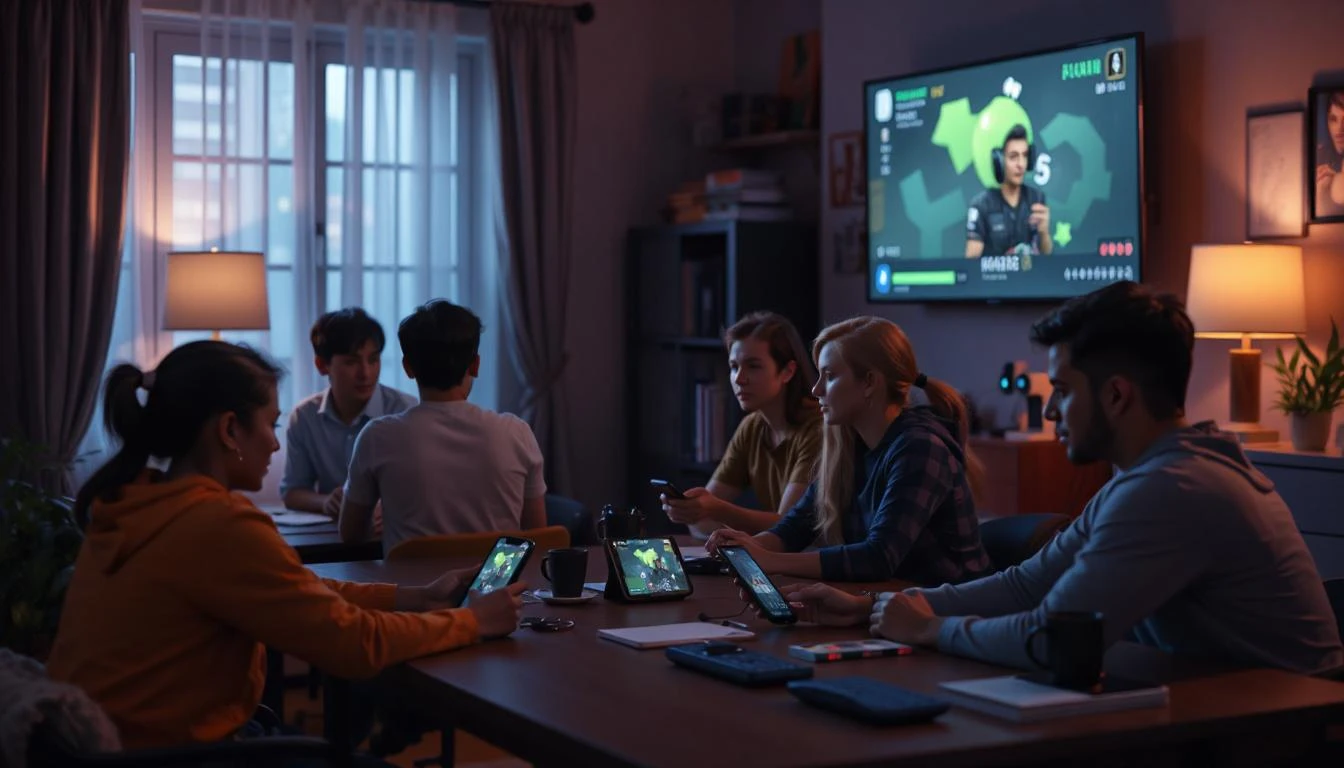
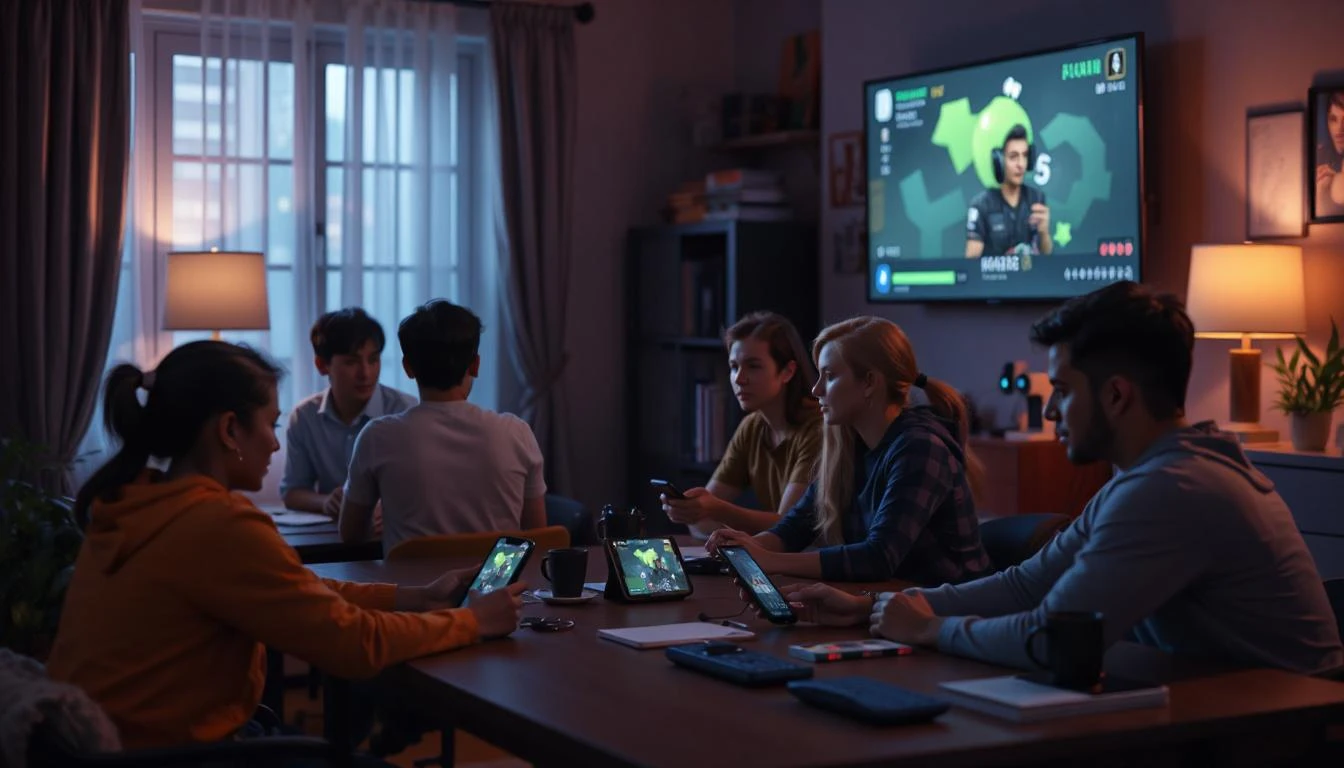
Mobile esports has exploded into a global phenomenon, especially in regions like Southeast Asia and South America. Competitive mobile gaming tournaments now attract millions of viewers, transforming smartphones into legitimate competitive gaming platforms on a global scale.
“Mobile esports is democratizing competitive gaming like never before,” notes esports strategist Marcus Lee.
Step Into the Future of Mobile Gaming Innovation
The future of mobile gaming is not just about better graphics or faster devices—it is about creating interconnected digital worlds that evolve in real time. With advancements in AI, cloud computing, and immersive technologies, gaming is becoming a continuous experience rather than a standalone activity.
Players are now part of a living ecosystem where every action influences future gameplay, social interactions, and digital economies. This shift is redefining how entertainment is consumed globally and pushing the boundaries of interactive media.