Casual Games Trends in Modern Mobile Era

Mobile entertainment is no longer just a side distraction—it has become a daily habit shaping how people relax, compete, and connect. From quick puzzle taps to endlessly replayable idle mechanics, the mobile gaming space is evolving faster than ever, driven by shifting user behavior and global marketplace competition.
In this landscape, casual games trends are defining how developers design experiences that are simple on the surface but deeply engineered underneath. What feels like effortless fun is actually a highly optimized system of engagement, retention, and monetization shaped by global mobile ecosystems.
Casual Games Evolution in Mobile Ecosystem
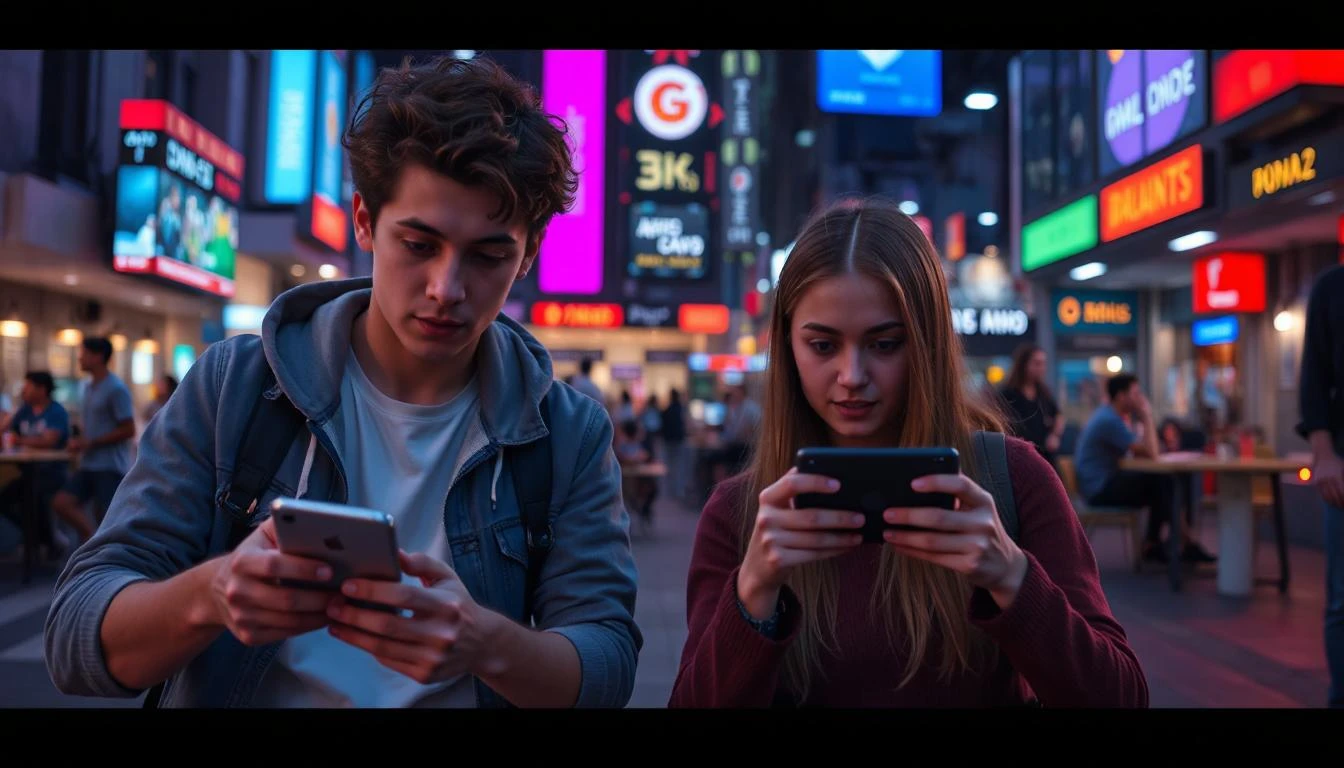
Mobile gaming has quietly rewritten the rules of entertainment, turning everyday smartphones into powerful gaming platforms. What started as simple time-killers has transformed into a global marketplace where accessibility and instant playability dominate user expectations.
The rise of casual games trends has been heavily influenced by shifting digital behavior, where users prefer fast, lightweight, and frictionless experiences over complex gameplay. This evolution is also reshaping how developers approach design, especially in highly competitive app marketplaces where attention spans are extremely limited.
Shift from core gaming to casual experiences
The transition from console-heavy gaming to mobile-first ecosystems has opened doors for millions of new players. Games no longer demand long sessions or expensive hardware. Instead, simplicity and immediacy now define success in modern gaming environments.
At the same time, hypercasual games have accelerated this shift by offering one-tap mechanics that anyone can understand instantly, making gaming more universal than ever.
Role of hyper-casual mechanics in engagement
Hyper-casual design focuses on reducing friction to almost zero. Players enter a game within seconds and immediately understand the goal. This simplicity is not accidental—it is a carefully engineered engagement model.
According to gaming analyst Neil Davidson, “The future of mobile gaming belongs to experiences that require zero learning curve but infinite replay value.” His observation highlights how casual games trends are deeply tied to accessibility-driven design philosophy.
Influence of short-form mobile gameplay
Modern users are increasingly drawn to short bursts of entertainment. Whether during commuting or short breaks, mobile gameplay sessions are now designed to fit into fragmented daily routines.
This aligns with broader digital consumption habits influenced by short-form video platforms, reinforcing how attention economics shape gaming behavior.
User Engagement Patterns in Casual Games
The success of mobile games today is no longer defined only by downloads but by how long players stay engaged. Developers now focus heavily on psychological triggers, reward loops, and social interaction systems.
Right after understanding this shift, we can see how hypercasual games play a key role in sustaining engagement through repetition and simplicity, making them one of the strongest drivers of retention in the mobile ecosystem.
Daily active user retention strategies
Retention is built through consistency-based systems like streak rewards, daily missions, and timed bonuses. These mechanics create a sense of obligation and routine, subtly encouraging users to return daily.
Reward systems and gamification loops
Gamification is the emotional engine of modern gaming. Progress bars, unlockable items, and achievement systems create continuous motivation loops that keep users engaged far longer than expected.
This is where casual games trends become especially powerful, as they rely on behavioral reinforcement systems that feel natural rather than forced.
Social sharing and viral mechanics
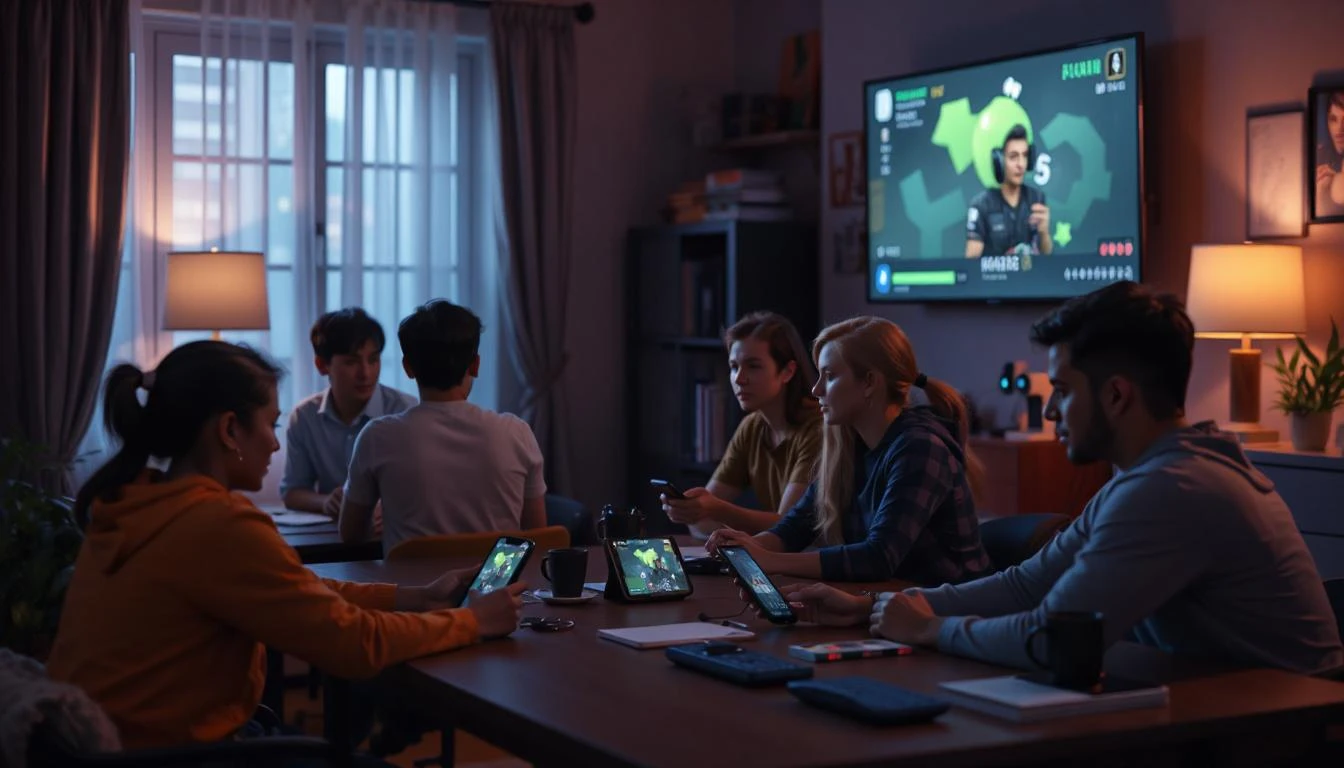
Modern games increasingly integrate social features that allow players to share achievements or compete with friends. This transforms individual gameplay into a shared experience, increasing organic virality.
Gaming consultant Sarah Lin explains, “Virality in mobile games doesn’t happen by chance—it’s engineered through emotional triggers and social validation loops.”
Technology Driving Casual Gaming Growth
Behind every smooth mobile experience lies a powerful technological backbone that enables scalability, personalization, and performance optimization across devices.
The expansion of casual games trends is deeply connected to these innovations, which allow developers to reach wider audiences without sacrificing performance or engagement quality.
Cloud-based mobile optimization
Cloud infrastructure allows games to run efficiently across different devices, removing hardware limitations. This ensures that even low-end smartphones can access high-quality gaming experiences.
AI-driven personalization in gameplay
Artificial intelligence now adapts game difficulty, recommendations, and rewards based on individual player behavior. This makes each gaming session feel uniquely tailored.
Lightweight game engine advancements
Modern engines are optimized for speed, battery efficiency, and seamless rendering. These improvements make hypercasual games more scalable across global markets with varying device capabilities.
Explore the Future of Casual Mobile Gaming Today
The evolution of mobile gaming is entering a new phase where personalization, speed, and accessibility define success. Developers are no longer just building games—they are designing behavioral ecosystems that adapt to user psychology and global digital habits.
The continued rise of casual games trends signals a future where entertainment becomes increasingly integrated into everyday micro-moments, shaping how users interact with digital platforms on a global scale.
Mobile gaming is no longer static; it is a living system that evolves with every tap, swipe, and decision made by millions of users worldwide.